

Description
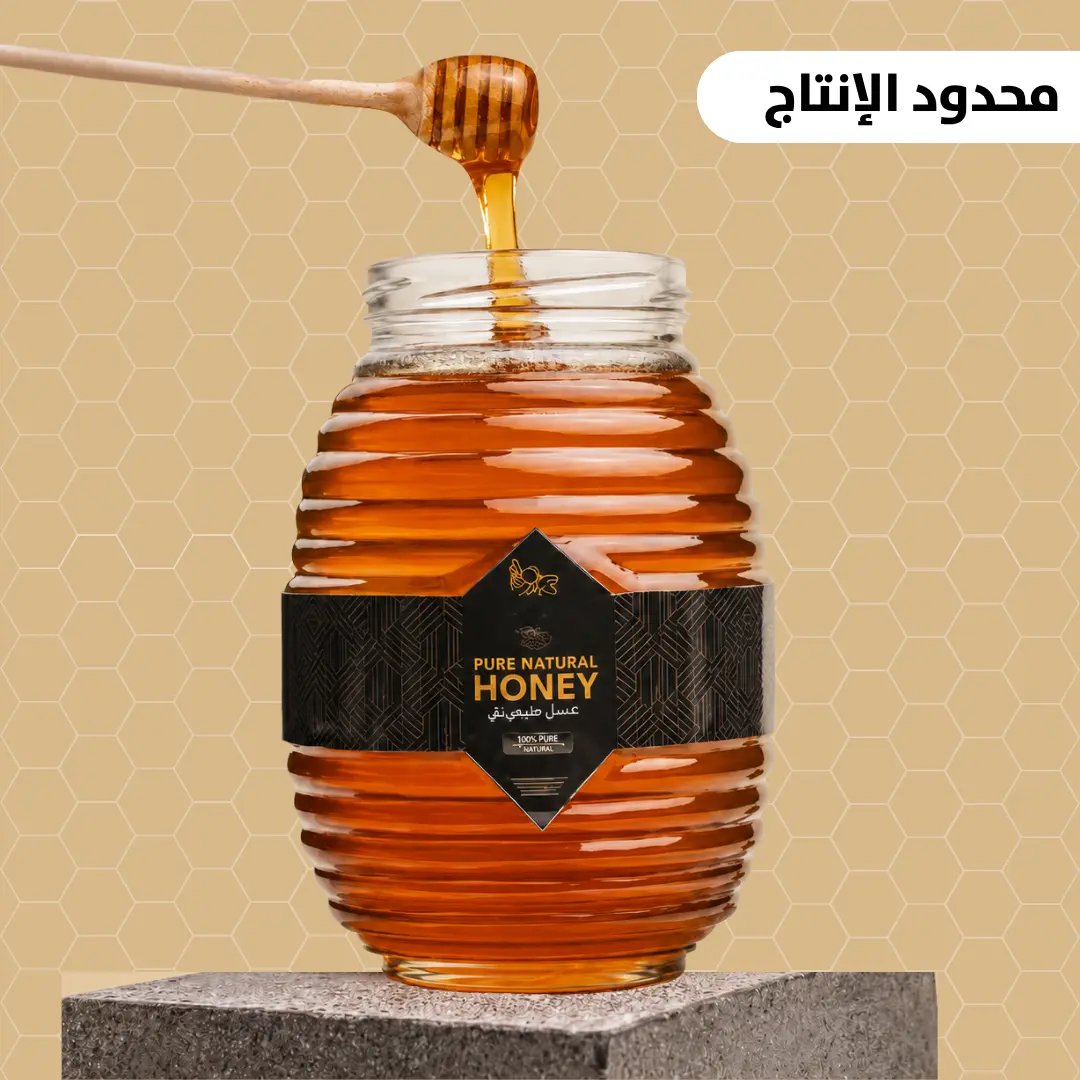
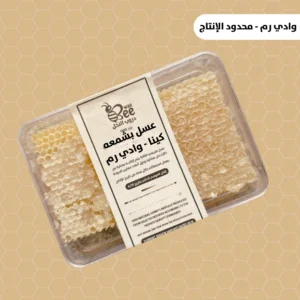
A limited seasonal harvest of Jordanian Wild Thyme Honey, produced by bees from the nectar of Thymbra capitata (L.) Cav. flowers. The plant is also referred to in older scientific literature as Thymus capitatus and Coridothymus capitatus. It is an aromatic wild thyme species native to the Mediterranean region and closely associated with the production of thyme honey, particularly in Greece and the Mediterranean islands.
In Jordan, thyme flowering in our production areas begins approximately in early July and continues through the end of August, depending on the location and seasonal weather conditions. During the flowering period, we produce this honey in several areas, including Badr, Madaba, Irbid, and selected mountainous areas of Amman, choosing natural pastures located as far as possible from densely populated and urban areas.
Although wild thyme grows naturally in Jordan, the areas and plant densities suitable for producing a distinct thyme honey harvest are limited. Flowering alone is not enough; strong blooming must coincide with good nectar secretion, favorable weather conditions, and strong bee colonies at exactly the right time. For this reason, we cannot guarantee the same quantity of Wild Thyme Honey every season.
A Mediterranean Honey Tradition
Thyme honey is one of the distinctive honeys of the Mediterranean region and holds a particularly valued place in Greece and its islands, where it has been extensively studied for its pollen profile, aromatic compounds, physicochemical properties, taste, and aroma.
These studies are especially relevant to us because several were conducted on honey associated with the same botanical species, Thymus capitatus / Thymbra capitata. A study published in Food Chemistry also examined Palestinian monofloral Thymus capitatus honey and identified a distinctive profile of volatile aromatic compounds that may help characterize its floral origin.
Color, Taste & Aroma
Our Wild Thyme Honey has a warm amber honey color, a distinct floral and aromatic scent, and a rich, well-balanced flavor.
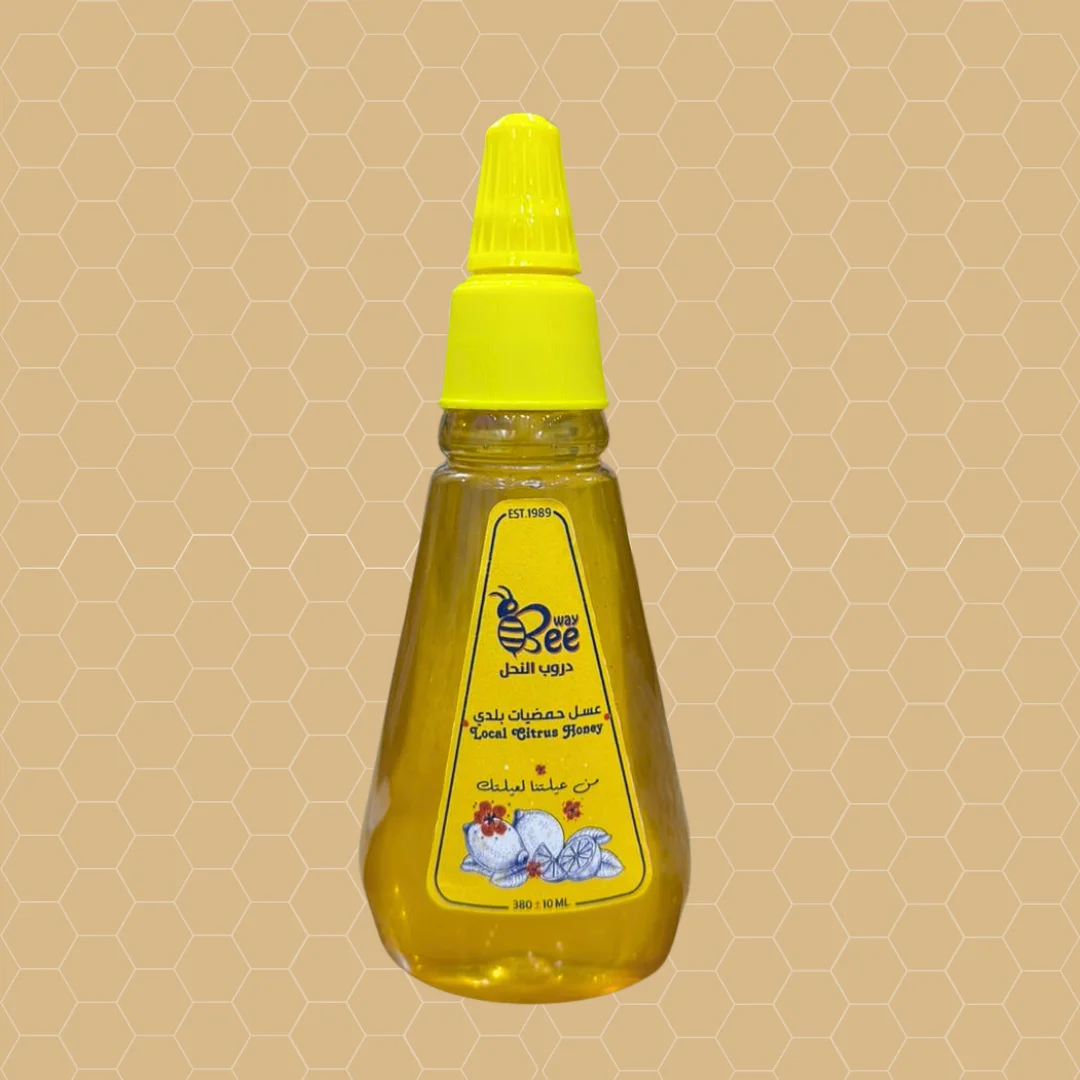
In terms of sweetness, we consider it a medium-sweet honey. It is less sweet than our Citrus and Mountain Honey, yet sweeter than our Mrar Honey. Despite the pronounced aromatic character of thyme, the honey has no bitter taste.
Published sensory studies on Greek thyme honey generally describe it as having a dense texture, a clear floral aroma, and a sweet taste with a slight perception of saltiness. Noticeable differences in color, aroma intensity, and flavor have also been observed depending on the contribution of thyme and the geographical area where the honey was produced.
For this reason, we prefer to describe each of our own harvests according to its actual sensory character rather than assume that every thyme honey should taste exactly the same.
What Does Scientific Research Say About Thyme Honey?
One of the interesting aspects of thyme honey is that scientific studies have examined the honey itself, rather than relying solely on research about the thyme plant.
In one study of Greek honeys, including four thyme honey samples containing Thymus capitatus pollen, researchers identified several naturally occurring phenolic acids. p-Hydroxybenzoic acid was the predominant phenolic compound detected in the thyme honey samples analyzed. Extracts from the honeys also demonstrated antioxidant activity in laboratory testing.
Another study published in 2022 investigated the antibacterial activity of six Greek thyme honey samples against four clinical strains of MRSA. The honey samples demonstrated antibacterial activity under laboratory conditions, with the researchers indicating that the honey’s natural acidity, hydrogen peroxide production, and oxidative stress mechanisms contributed to the observed effect.
We mention these findings to provide a better understanding of the characteristics researchers have observed in scientifically studied thyme honey samples. They should not be interpreted as therapeutic claims about our own harvest. Differences in location, season, and honey composition mean that the same results cannot automatically be assumed for every thyme honey without testing the individual batch.
Once the season is complete and the honey has fully ripened inside the hive, the honey frames are harvested and extracted. The honey is then filtered to remove wax residues and particles resulting from extraction before being packed.
Because of the limited flowering season and the limited availability of suitable thyme pastures, Wild Thyme Honey is offered as a limited seasonal harvest and the available quantity may sell out within only a few weeks.
Scientific References
Palestinian Thymus capitatus Honey Study – Food Chemistry
Sensory Profile of Greek Islands Thyme Honey
Phenolic Acid Composition of Greek Honeys – PLOS ONE
Antimicrobial Mechanism of Greek Thyme Honeys – Oxford Academic


Reviews
There are no reviews yet.