
Description
Everything You Need to Know About Carob Honey
Carob honey is a natural type of honey produced from the nectar of carob tree blossoms. In this description, we provide you with a set of scientific and practical insights into this honey and its nutritional value.
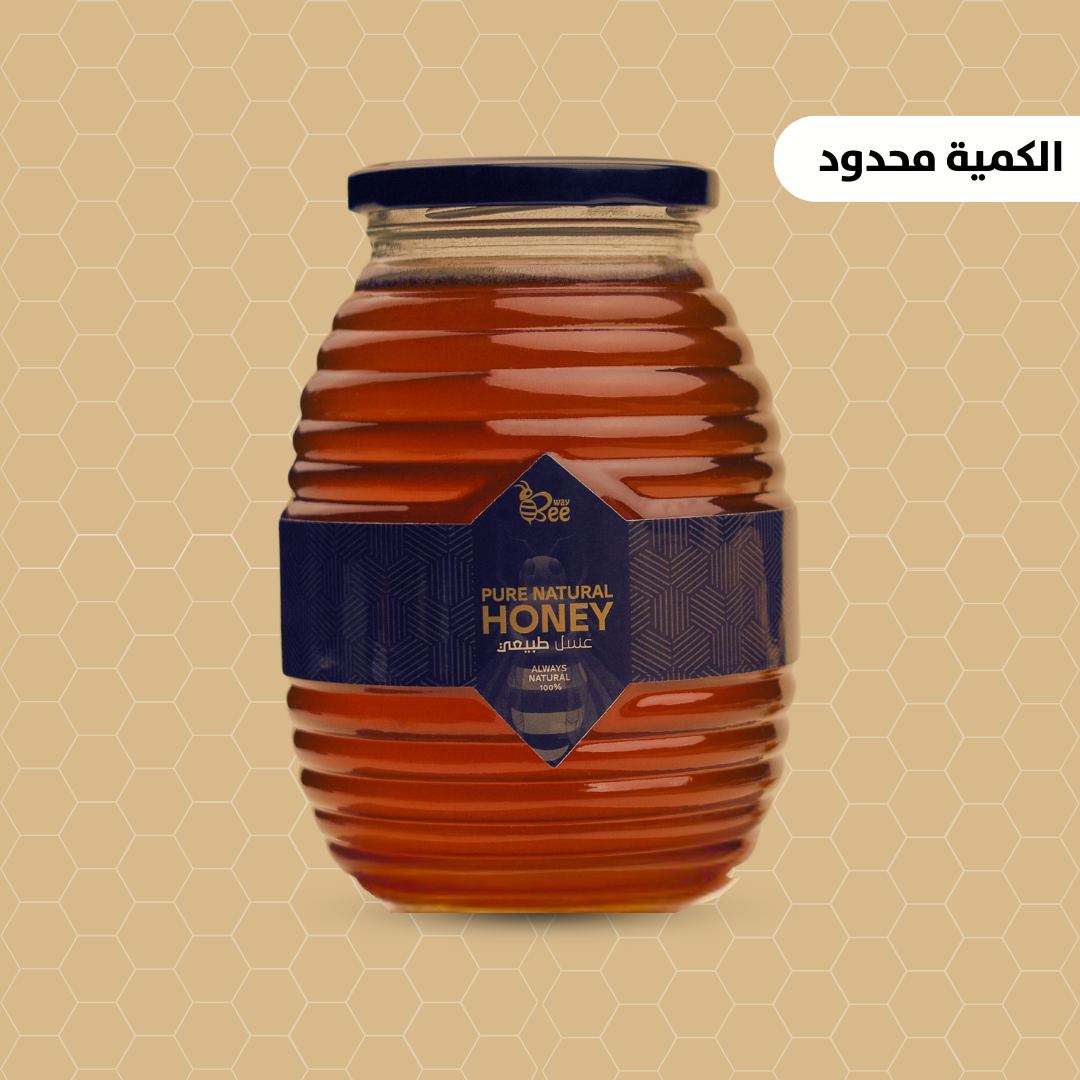
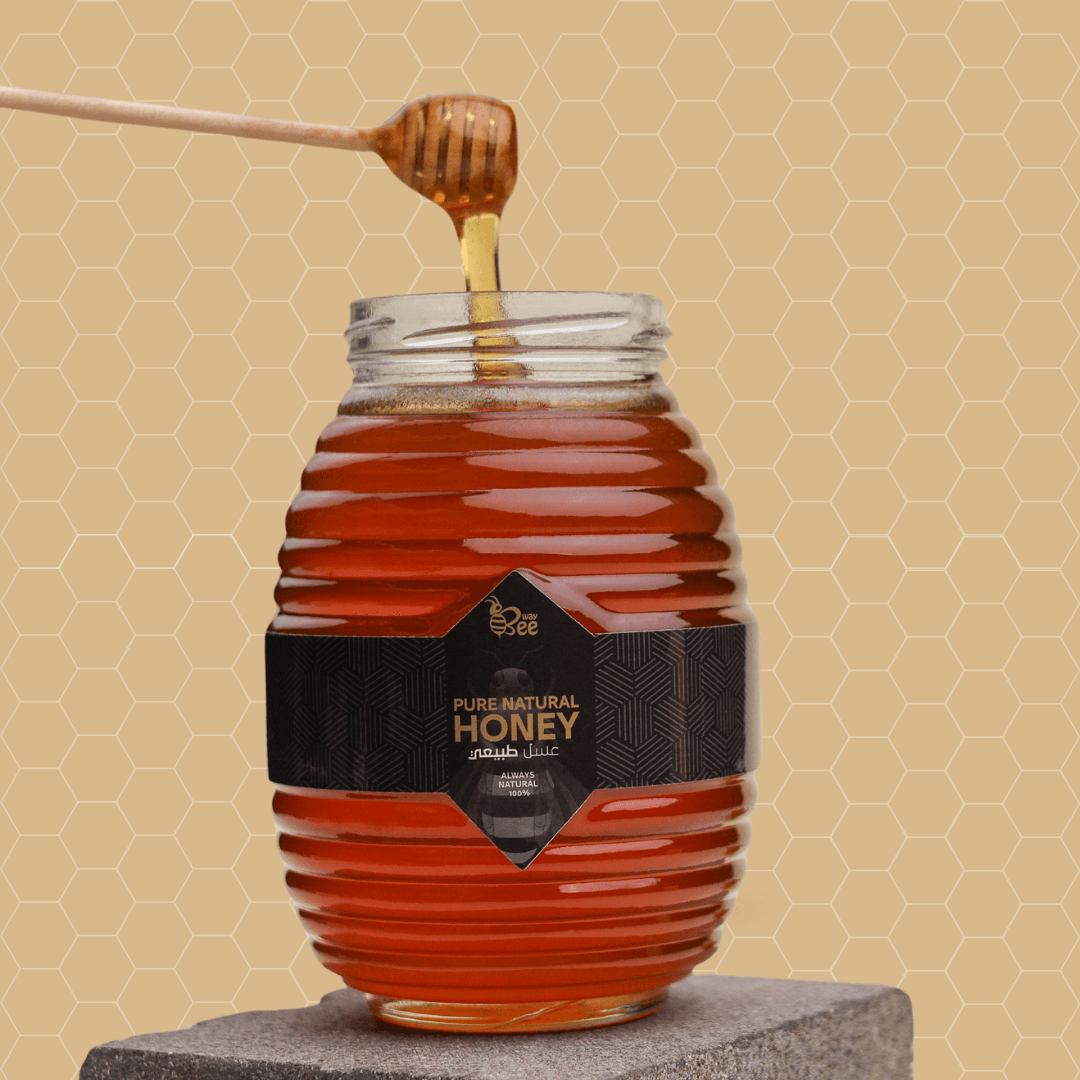
Carob honey is distinguished by its medium amber color, which may sometimes lean toward darker shades depending on seasonal conditions such as rainfall levels and temperature variations. It has a medium to relatively thick consistency and a rich, well-balanced flavor reminiscent of natural carob, without being sharp or overpowering.
This honey is suitable for daily use and can be consumed directly or added to foods and beverages. Many people prefer it as a natural alternative to refined sugars due to its balanced taste and nutritional profile.
Where Is Carob Honey Produced?
Carob honey is produced in regions where carob trees are naturally present, such as northern areas and parts of the capital Amman. This year’s production came from the Umm Qais region. Due to limited rainfall during early and mid-autumn, bees were able to collect carob nectar. Carob honey is typically produced once every 3–4 years, depending on the availability of suitable weather conditions during this sensitive period of the year.
What Are the Benefits of Carob Honey?
-
Carob honey contains natural antioxidants that help support overall health and protect the body from oxidative stress.
-
It is known for supporting digestive health, helping soothe the stomach and reduce mild digestive discomfort.
-
It contains natural minerals such as calcium, magnesium, and potassium, which contribute to daily energy levels and overall vitality.
-
Carob honey is a natural source of energy, making it suitable for those seeking a healthier alternative to industrial sugars.
-
It has naturally soothing properties that help relieve throat irritation when consumed with warm beverages.


Reviews
There are no reviews yet.