Description
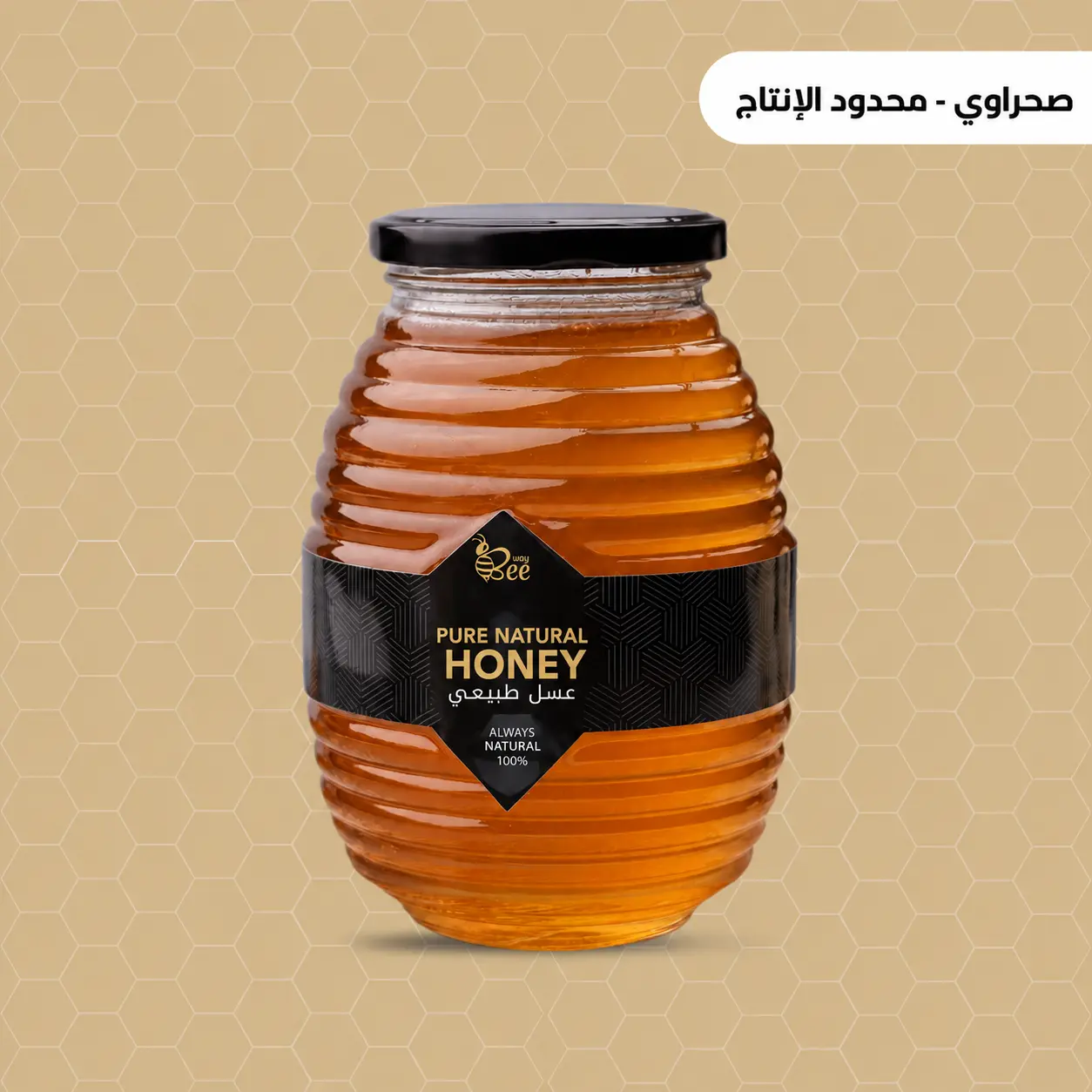
Alfalfa Blossom Honey
Our Alfalfa Blossom Honey is a limited seasonal harvest produced in the southeastern desert of Jordan toward the end of summer, when alfalfa (Medicago sativa) enters its short flowering window.
Although alfalfa is widely cultivated, producing a predominantly single-flower alfalfa honey is not straightforward. Farmers cut the crop frequently throughout the season, which means each field may flower for only around five days per month before it is harvested again. What makes production possible is the presence of many agricultural pivots at different stages of growth. As one field is cut, another begins to bloom, creating a succession of flowering periods that allows the bees to continue collecting nectar over a longer span.
This is why we classify it as a limited-production desert honey. Its availability depends not only on the presence of alfalfa, but also on cutting schedules, the number of active pivots, colony strength, and suitable weather during the nectar flow.
Alfalfa honey is one of the well-known floral honeys internationally, particularly in regions where alfalfa is grown on a large agricultural scale. In Jordan, this is our first season producing it at Droub Al-Nahl, and it represents a distinctive addition to our range of locally harvested monofloral and seasonal honeys.
Colour, Taste and Character
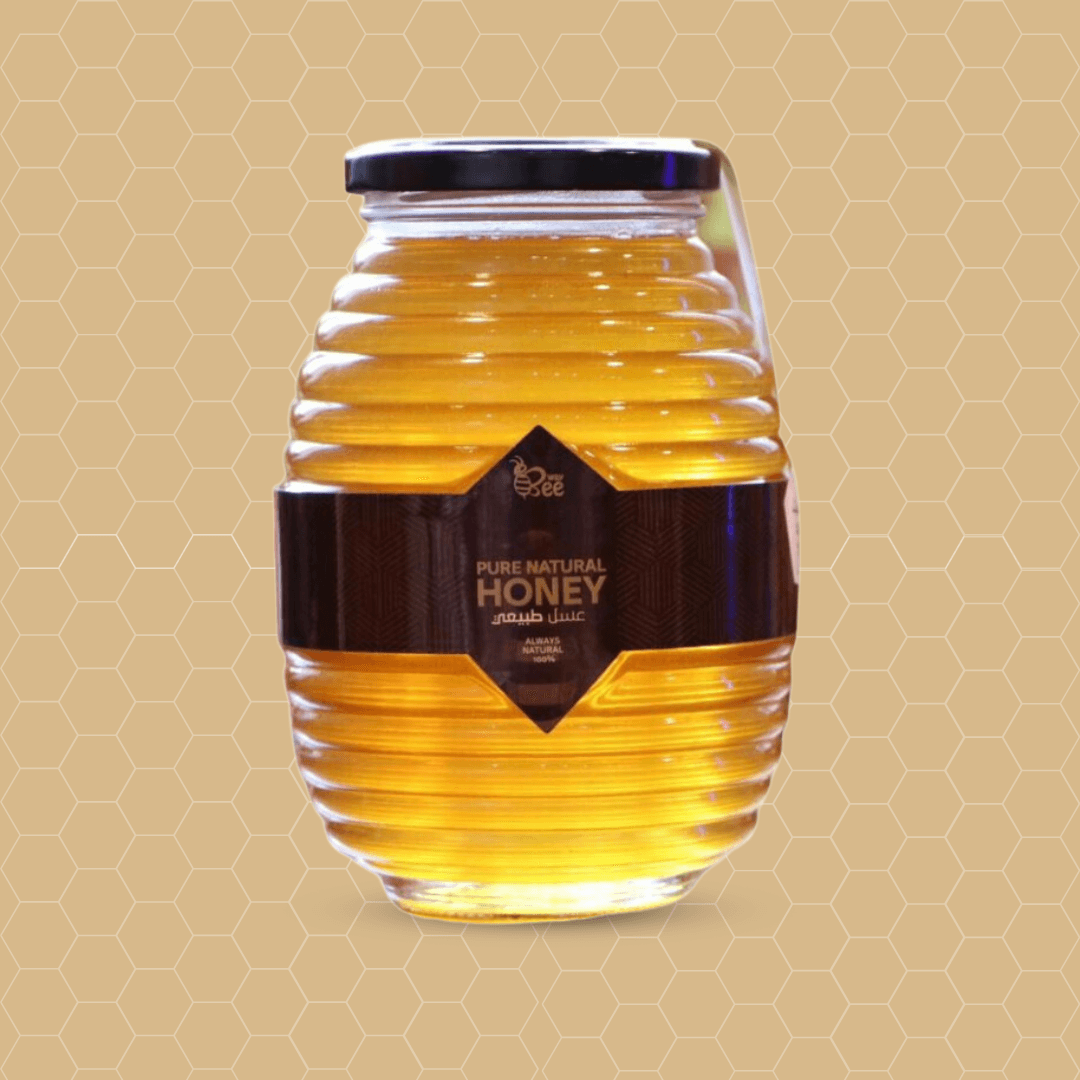
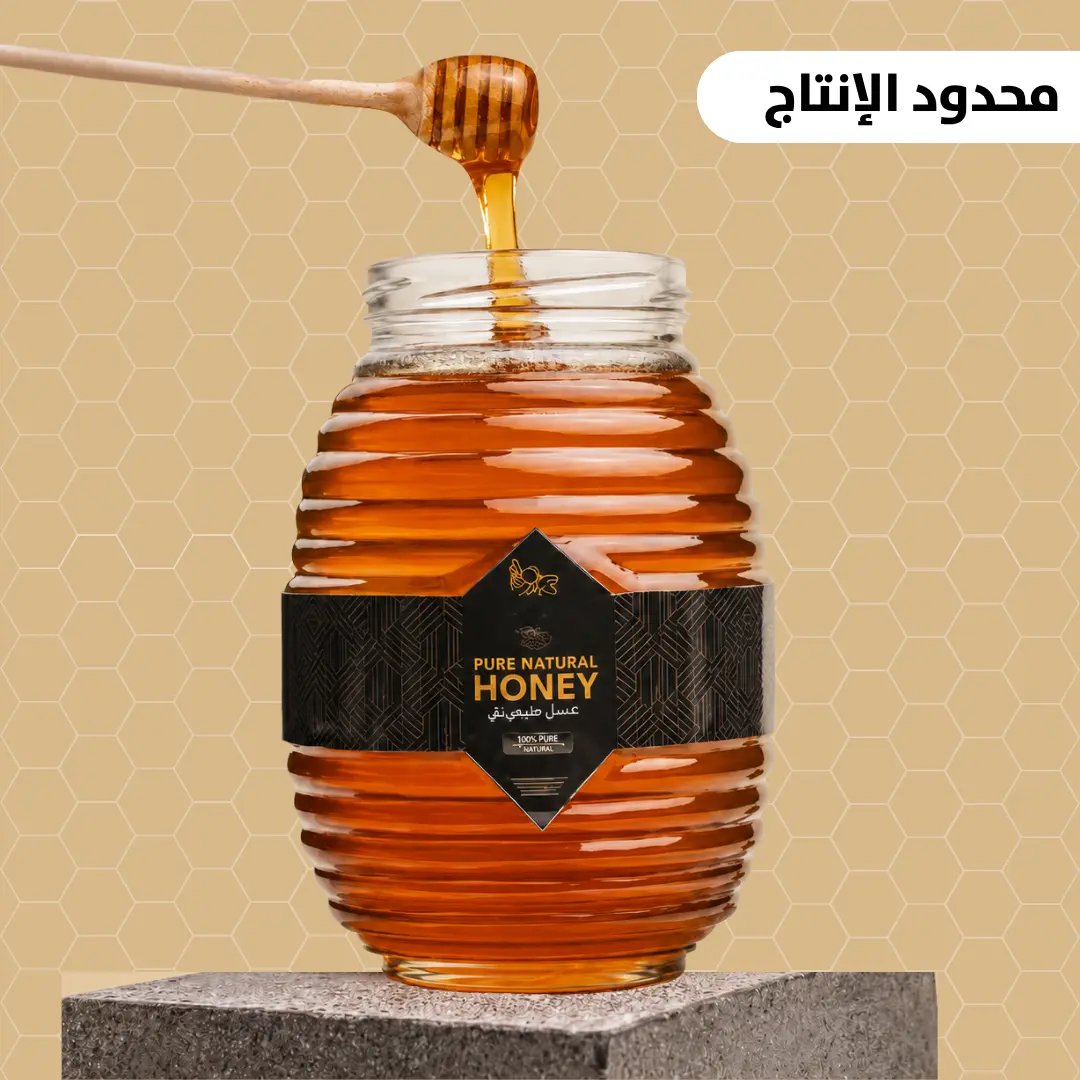
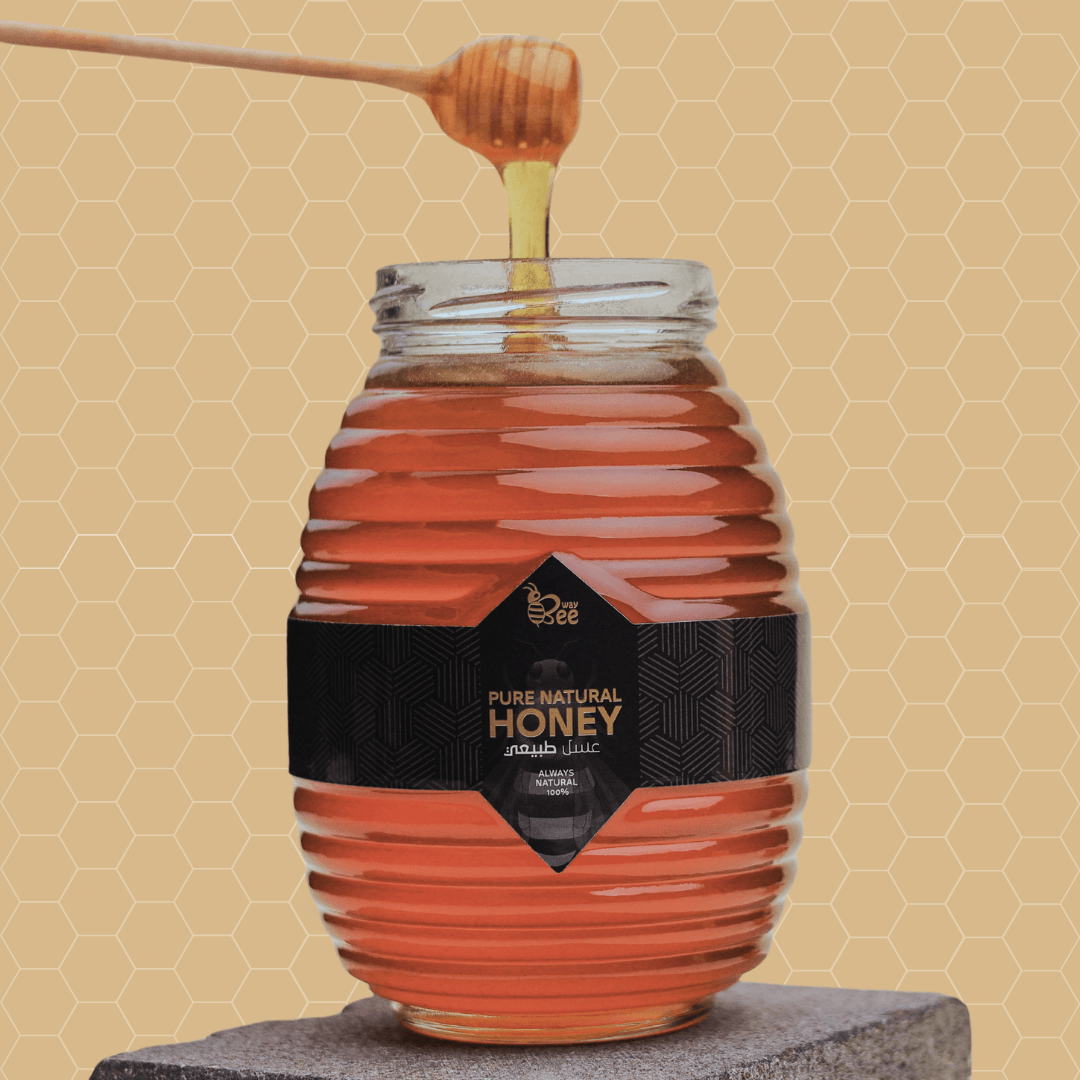
Our Alfalfa Blossom Honey has a medium honey to amber colour, with a balanced sweetness and a smooth, approachable flavour profile. Its aroma is light and floral, making it especially suitable for everyday use.
As with all natural honey, colour, flavour and aroma can vary from one region and season to another depending on climate, soil, flowering conditions and the surrounding botanical environment.
What does science say about alfalfa honey?
Recent research on Medicago sativa honey has identified a range of naturally occurring phenolic compounds and flavonoids, including ellagic acid, pinocembrin, myricetin, p-coumaric acid, kaempferol, caffeic acid and quercetin.
These compounds are associated with the biological activity of honey and have been studied for their contribution to its antioxidant, antibacterial and anti-inflammatory properties.
Antioxidant Activity
One of the most consistently reported features of alfalfa honey is its antioxidant activity.
Studies have shown that alfalfa honey contains measurable levels of phenolic compounds and flavonoids that can help neutralise free radicals in laboratory assays. In comparative research on legume honeys, alfalfa honey has also shown a strong polyphenol profile.
These findings support its classification as a honey rich in naturally occurring antioxidant compounds. However, laboratory antioxidant activity should not be interpreted as evidence that honey can prevent or treat specific diseases.
Antibacterial Properties
Alfalfa honey has also demonstrated antibacterial activity in laboratory studies against several bacterial species.
Research has reported activity against organisms including Staphylococcus aureus, Escherichia coli, Klebsiella pneumoniae, Pseudomonas aeruginosa and Bacillus subtilis, although the degree of activity varies depending on the honey sample, concentration and bacterial strain tested.
Other studies on legume honeys, including alfalfa honey, have also investigated their ability to reduce bacterial biofilm formation under laboratory conditions.
Anti-Inflammatory Activity
In cell-based laboratory research, Medicago sativa honey has shown anti-inflammatory activity, including a reduction in nitric oxide production in stimulated immune cells.
This suggests that compounds present in the honey may influence inflammatory pathways under experimental conditions. These findings remain laboratory-based and should not be interpreted as evidence that eating alfalfa honey treats inflammatory diseases.
Potential Prebiotic Effects
Research published on several legume honeys, including alfalfa honey, has also explored their interaction with beneficial bacteria.
In vitro studies found that alfalfa honey could support the growth of certain Lactobacillus strains, suggesting a potential prebiotic effect. More clinical research is still needed before any direct conclusions can be made about its effect on the human gut microbiome.
Research Related to Wound-Healing Mechanisms
A recent study on Medicago sativa honey also examined its effects on human skin cells in laboratory conditions.
At suitable concentrations, the honey promoted cell migration and proliferation in a scratch assay commonly used to study processes involved in wound closure. Researchers linked these findings with the honey’s antioxidant, antibacterial and anti-inflammatory activity.
These results are promising from a scientific perspective, but they are based on laboratory models and do not mean that the honey should be considered a medical treatment for wounds.
A Seasonal Honey with a Different Story
What makes this harvest particularly special to us is not only its scientific profile, but the way it is produced.
Our bees are placed near alfalfa-growing areas in the southeastern desert, where we carefully follow the flowering and cutting cycles of multiple agricultural pivots. Because each field has only a short flowering period, successful production depends on the gradual transition of bloom from one pivot to another.
This continuous movement of flowering across the farms creates a narrow but valuable nectar-flow window, allowing us to produce a distinct alfalfa blossom honey at the end of summer.
For that reason, this harvest will always remain closely tied to the season, agricultural practices and environmental conditions — and is offered as a limited-production desert honey.
Scientific References
- Jarar D. et al. (2025)
Wound Healing Mechanisms of Medicago sativa Honey: Antioxidant, Anti-inflammatory, Antibacterial and Phytochemical Characterisation
Journal of Natural Remedies, 25(10), 2381–2395.
DOI: 10.18311/jnr/2025/50943 - Abu-Farich B. et al. (2024)
Physicochemical Properties, Chemical Composition, Antioxidant Properties, and Antibacterial Effects of Four Palestinian Honey Varieties
Journal of Pure and Applied Microbiology, 18(4), 2315–2327.
DOI: 10.22207/jpam.18.4.03 - Fratianni F. et al. (2024)
Chemical Characterization and Biological Properties of Leguminous Honey
Antioxidants, 13(4), 482.
DOI: 10.3390/antiox13040482 - Fratianni F. et al. (2023)
In Vitro Prebiotic Effects and Antibacterial Activity of Five Leguminous Honeys
Foods, 12(18), 3338.
DOI: 10.3390/foods12183338


Reviews
There are no reviews yet.