Bee venom therapy has recently become a controversial topic on social media, with bee venom creams and injections advertised everywhere and many people claiming it treats a long list of diseases, especially chronic ones. So what is the truth? In this article we look at what studies say about the benefits of bee venom, the ways it is used, its risks, and why awareness matters before trying it.
What is bee venom?
Bee venom is a natural liquid produced by bees. It contains a range of biologically active compounds such as amino acids, peptides and phenolic compounds.
What are the benefits of bee venom according to studies?
Studies suggest that bee venom may have positive effects in some conditions, including:
- Rheumatism and arthritis: research suggests it may help reduce inflammation and pain as a complementary treatment.
- Alopecia: some studies have shown a positive effect on hair regrowth.
- Tissue and ligament problems: it has pain-relieving and anti-inflammatory properties that may help ease the symptoms of ligament and tissue injuries.
Research into other uses of bee venom is still ongoing.
How is bee venom therapy given?
1. Direct bee stings
This is the most common form, and it should be carried out under strict medical protocols: bees are used to make small stings on specific points of the body to release the venom in the affected area.
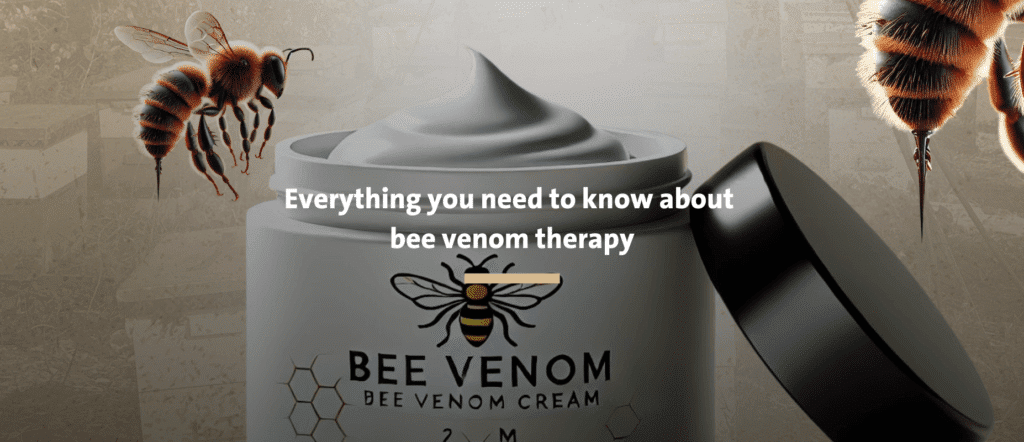
2. Bee venom creams
These are applied to the skin and contain natural ingredients along with compounds from bee venom.
3. Bee venom injections
Small amounts of bee venom are injected under the skin for therapeutic purposes.
What are the risks of bee venom therapy?
- Allergy and dosage: bee venom can cause serious allergic reactions in some cases, so specialists should be consulted about suitable doses.
- Check the source: look for recognised centres that offer this treatment. Many countries have no licensed centres for it, and it is often classed as folk medicine.
- Check the products: make sure creams and injections contain approved, scientifically studied ingredients and are used under specialist medical supervision.
Bee venom in medicine and the challenges of producing it
Bee venom is not limited to traditional treatments; its active compounds are being studied for developing medical preparations for a variety of conditions.
Why is bee venom expensive and rare?
- Producing it requires specialised venom-collection devices, which are relatively costly, in addition to the investment in equipment and training.
- The average price of one gram ranges from 50 to 100 US dollars, depending on quality and source.
- Producing one gram takes around 14,000 bees, and repeated stinging on the collection device can exhaust the colonies and reduce their production of honey and other products. This is why many beekeepers prefer to focus on honey.
Where Bee Way stands on bee venom therapy
At Bee Way we do not sell any products that contain bee venom. We believe in the benefits of the different bee products, but we recommend that bee venom be used only under specialist medical supervision. There are medical centres in countries such as Romania, Japan and Egypt that offer bee venom therapy, and we should all be careful about the sources and products we choose. Do not leave your health to chance: read and learn before making any decision.
Tips before any bee venom treatment
- Always consult your doctor before starting any new treatment.
- Research the product or centre well before using it.
- Watch for any signs of allergy, and stop immediately and seek medical help if you feel anything unusual.
Read also: “Royal honey” is a marketing term, not a real honey

A Jordanian family business in beekeeping since 1989, offering high-quality beehive products with correct, accurate scientific information. Read our story